
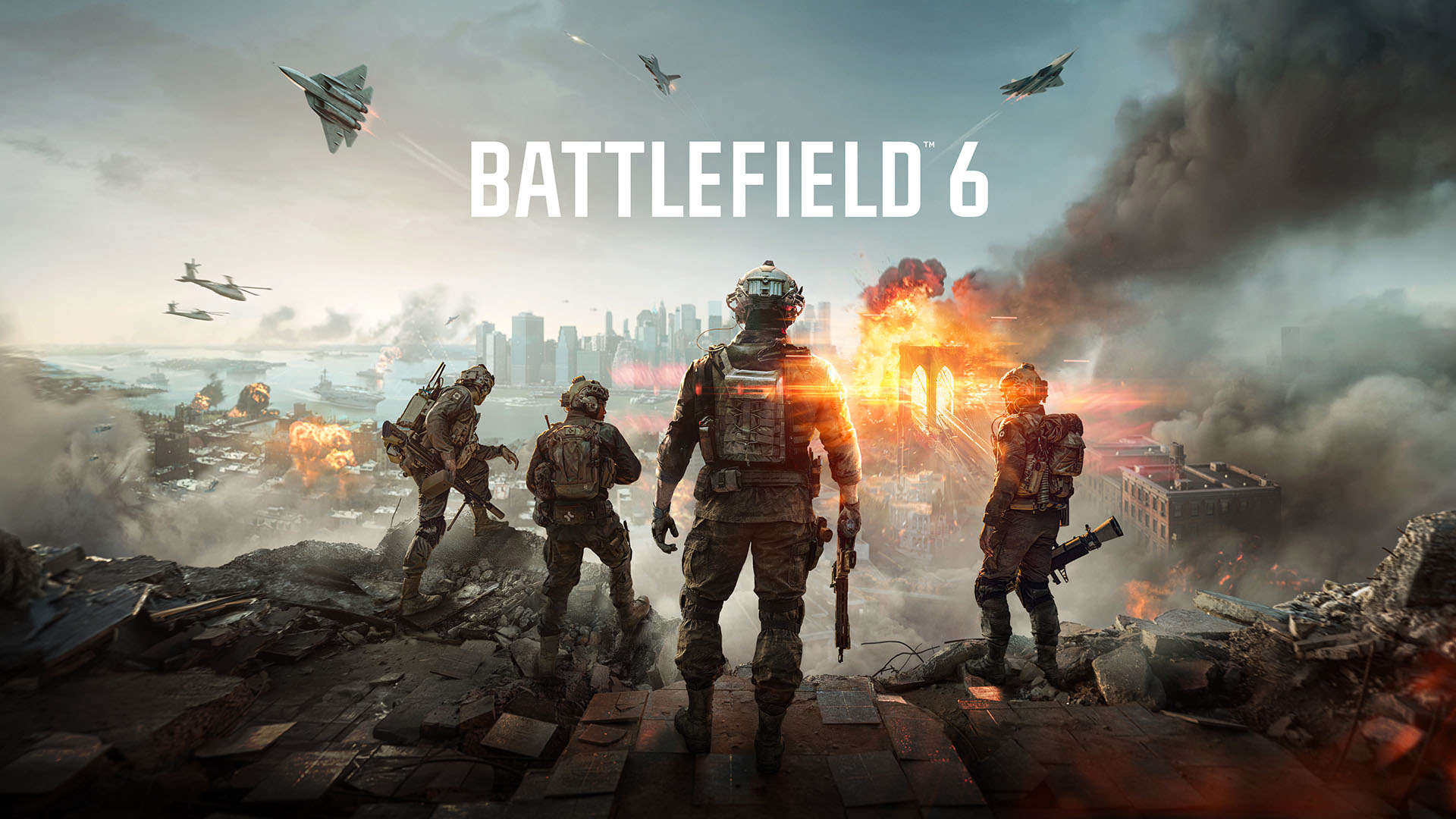
Battlefield 6 launches October 10, and consider us your FOB (forward operating base) for the campaign. It’s 2027; the post World War II order has crumbled and the remnants of NATO face off against the private military corporation Pax Armata (which roughly translates as ‘peace through force’, and roughly is how they’d translate it for you). We say remnants, but this is no ragtag band of brothers; Battlefield 6 introduces Dagger 13, an elite unit within the US Marine Raiders with combat skills to spare and nowhere they’d rather be than in the white-hot center of the action. Ahead of release day, Víðir Orri Reynisson, technical product director of Battlefield Studios, took some time out to brief Intel Gaming Access on the conflict to come.
“Our remit covers the technical backbone of the game—rendering, performance, core systems, netcode, UI, and audio,” Reynisson explains. “My role is to make sure that what we build actually moves the needle for players, while also ensuring it scales what players feel in practice—responsiveness, visual fidelity, and stability—across platforms from lower-end hardware to top-tier enthusiast PCs.”
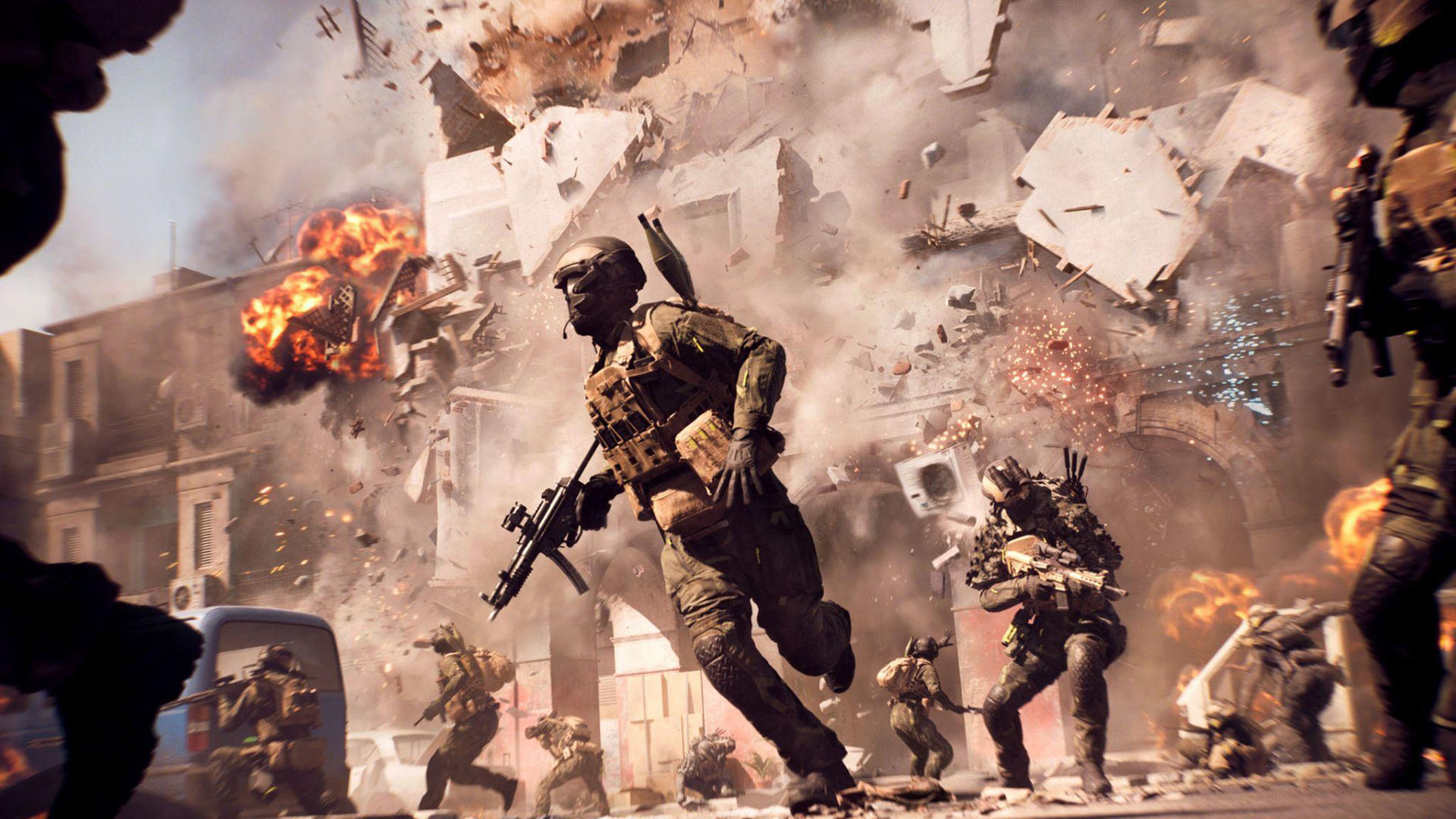
“The reviews have been a tightly guarded secret, and this title has been riding high on anticipation, buoyed by the snatches of pulse-pounding gameplay made available.” Gamers have been watching closely for Battlefield’s next move, and Battlefield Studios have been keeping tabs, too. “For Battlefield 6, we looked closely at what players value most in the series,” Reynisson says. “Large battles, vehicles, infantry fighting, and tactical destruction where strategy and chaos are your ticket to victory. From tanks, to C4, to sledgehammers—maps respond differently each time you play as you leverage technical destruction to your advantage. The goal was to refine those pillars and deliver them with more consistency and more technical reliability. The inspiration came from both past Battlefield moments and feedback from the community, with a focus on building a game that feels like Battlefield at its core.” And with Battlefield, it’s no core but hardcore.
“Battlefield 6 is about all-out warfare,” Reynisson says. “Infantry, vehicles, and destruction all interact in one space. It is designed for players who enjoy the spectacle of big battles, but also the tactical depth that comes from squads coordinating and adapting within that chaos. It is equally welcoming for series veterans and those experiencing Battlefield for the first time. Players will experience battles that feel large but also detailed and responsive. Destruction plays a meaningful role in how maps evolve during a match, and the environments are built to hold up under pressure. On the technical side, work like shader pre-compilation, improved threading, and CPU/GPU optimizations reduce stutter and deliver smoother input response. In addition to multiplayer, players will also have a full single-player campaign, and Portal, the next iteration of our sandbox experience where players can create unique game modes using powerful tools.”
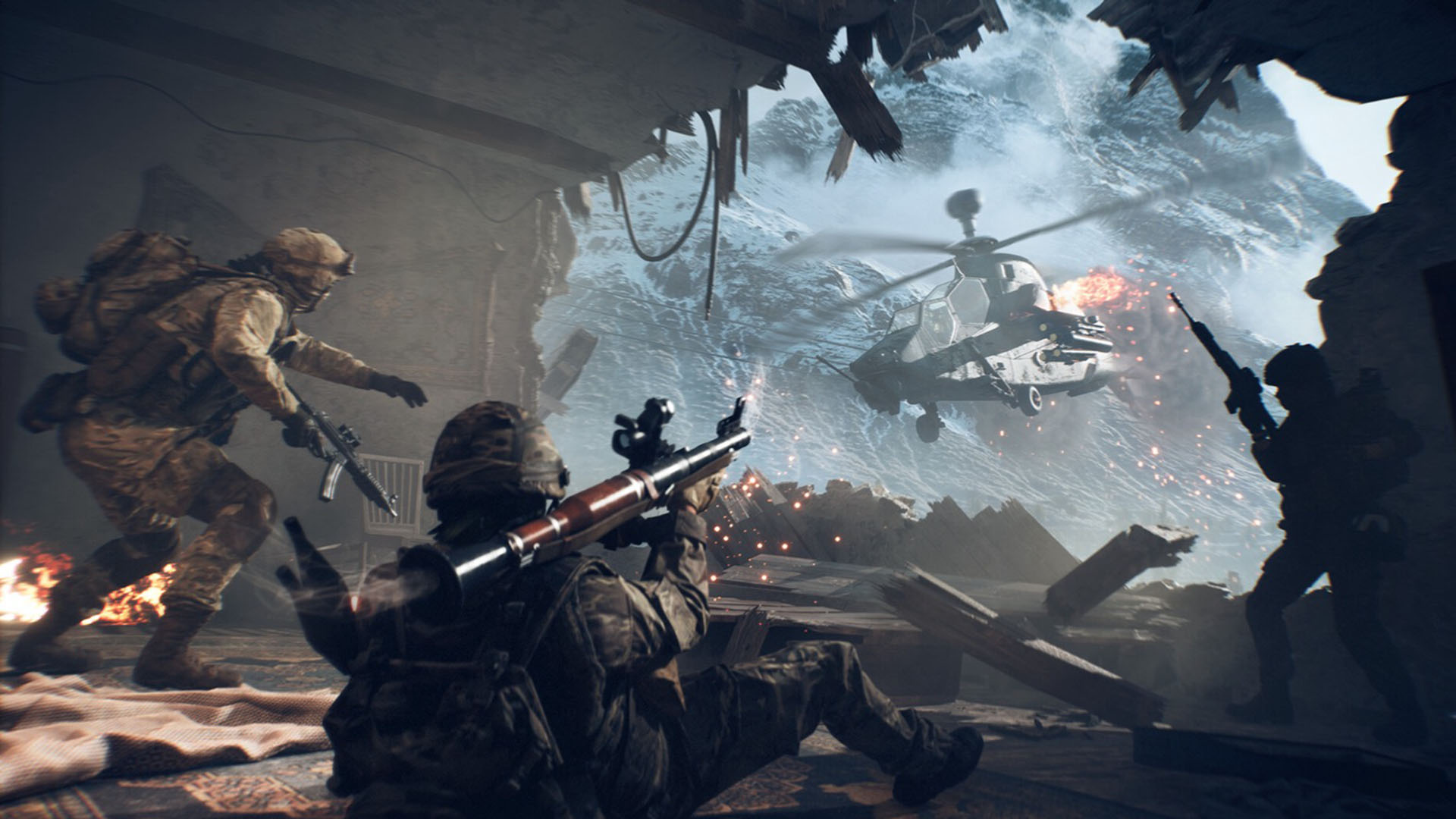
There’s no doubt that Battlefield 6 looks lethally good, and the character work goes above and beyond. Choose from a squad of five across four classes: Cliff Lopez, Support class; Dylan Murphy, Engineer; high-school quarterback-turned-Assault expert, Haz Carter; Lucas Hemlock, CIA operative with a redacted past; and Simone ‘Gecko’ Espina, first-class tracker (Recon). When every effort has gone into putting flesh on the character’s bones and bringing to life the world they are risking it all for, you don’t want to be ripped out of that reality by poor performance.
“A lot of attention goes to the visuals, but we also put massive effort into performance consistency,” Reynisson says. “From the player’s perspective, stutter or uneven pacing can hurt immersion just as much as lower frame rates. We invested heavily in improving those areas, so the game not only looks good but also feels smooth and stable. One challenge was making sure the simulation holds up in 64-player matches with vehicles and destruction all active. That required rebalancing workloads across CPU cores and refining our threading model. Another was shader compilation stutter, which we reduced through pre-compilation strategies and better pipeline management. These were multi-year efforts, and they are a big reason the game feels fluid during intense moments.”
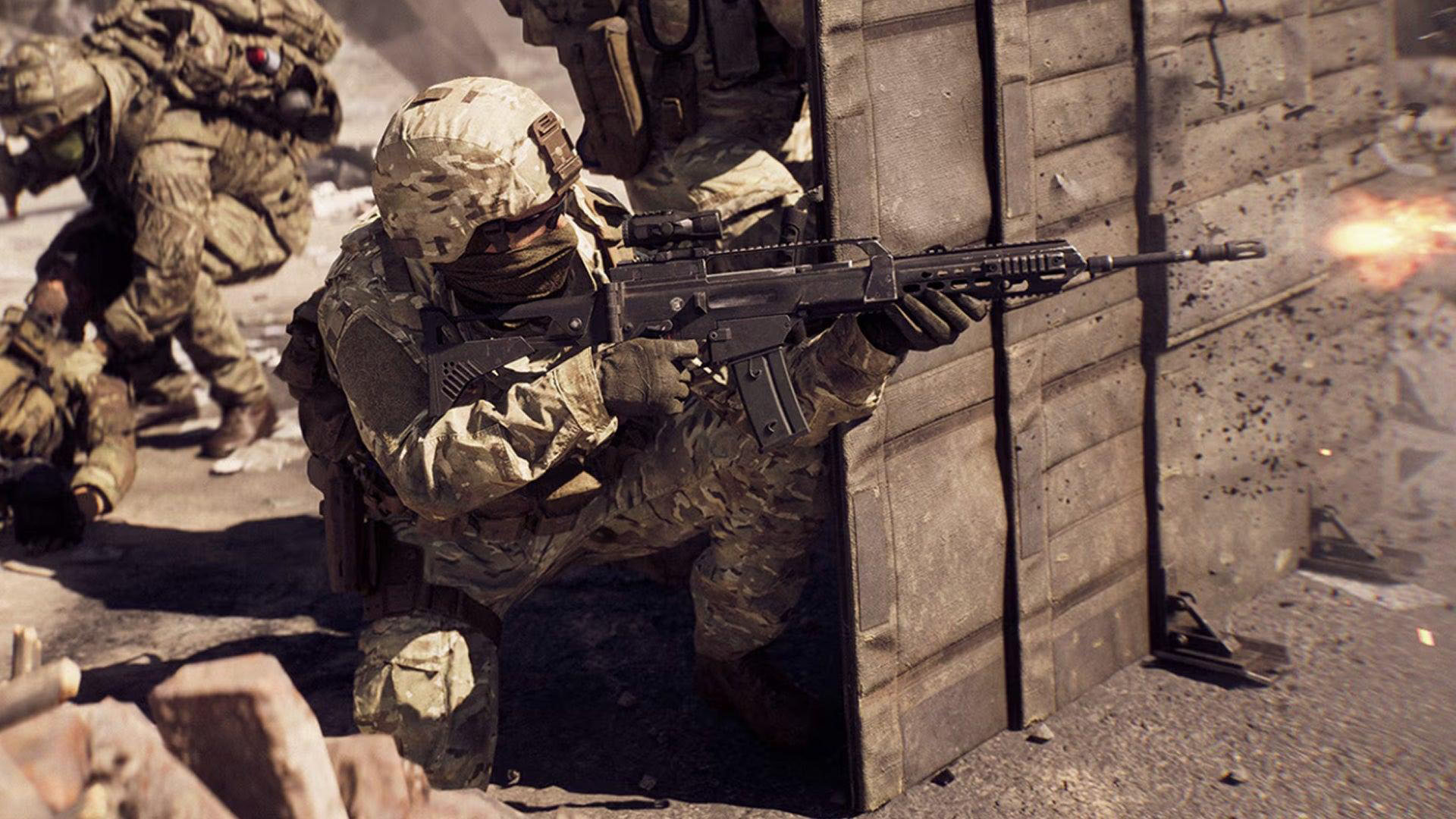
Battlefield has a large and loyal following among PC gamers (earlier this year, the open Beta was played by 500 thousand concurrently), which Reynisson went on to address. “Battlefield has always had a strong PC community, and PC is where players push the boundaries in terms of visuals and frame rate,” he explains. “Battlefield 6 is designed to take advantage of modern CPUs and GPUs, with support for higher refresh rates and advanced upscaling technologies. The best experience comes from balancing high-end hardware with features like Intel Xe Super Sampling (XeSS), which lets players unlock sharper visuals while maintaining strong performance. We’ve worked with Intel for many years on Battlefield, but Battlefield 6 represents our most integrated collaboration to date. Bringing Intel® Xe Super Sampling 2 (XeSS 2) into the game allowed us to deliver both visual quality and performance gains to players across a range of Intel GPUs. Intel’s guidance on optimization also helped ensure that Battlefield 6 runs well on a variety of CPU configurations, which is critical given the complexity of our simulation. Using Intel’s profiling tools, we identified areas where tasks were not being scheduled efficiently across cores. With Intel’s support we adjusted our approach, which smoothed out performance in situations where the simulation is under the most stress. Those kinds of improvements directly benefit players in the moment-to-moment gameplay.”
Moment-to-moment is how the Dagger 13 squad survives, and PC players have been counting the minutes until the Battlefield 6 release. And after that, what next for Battlefield Studios? “Our focus after launch is on both live support and the long term,” Reynisson says. “Live support means continuing to optimize performance, stability, and gameplay based on player feedback. The aim is to keep Battlefield 6 improving over time while also pushing the technology forward.”
We’ll see you on the battlefield, gamers.
Pre-purchase Battlefield 6 on Steam.




 English (United States)
  Spanish (Argentina)
  English (Australia/New Zealand)
  German (Austria)
  Portuguese
  English (Canada)
  Spanish (Chile)
  Chinese (China)
  Spanish (Colombia)
  English (Denmark)
  Arabic (Egypt)
  English (Finland)
  French
  German
  English (India)
  Indonesian
  Japanese
  Malay
Malay  Spanish (Mexico)
  English (Netherlands)
  English (Norway)
  Spanish (Peru)
  Tagalog (Philippines)
  Polish
  Arabic
  Korean
  Spanish (Spain)
  English (Sweden)
  English (Switzerland)
  Chinese (Taiwan)
  Thai
Thai  Turkish
  English (UK)
  Vietnamese
  Italian